


🔗🔗🔗 🇪🇸 Versión en español
The Vietnam Mountain Marathon (VMM) is one of those races that is hard to truly understand until you have run it yourself. You know to expect mountains, climbing, heat, extreme humidity and a lot of kilometres. But reading about it is one thing; being there, with mud-covered feet and many hours still ahead, is something else entirely.
Before the race: bib collection, the expo and the journey to Sapa
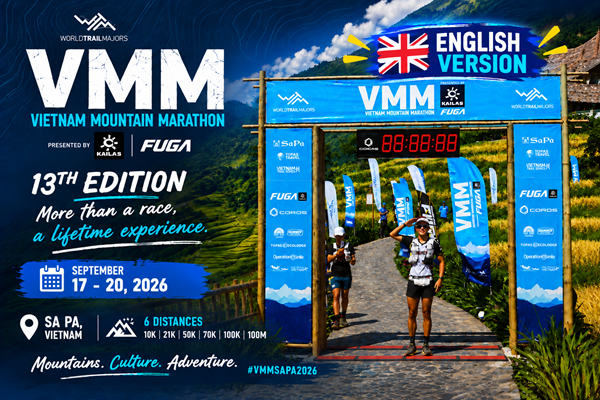
The VMM offers several distances — 10K, 21K, 50K, 70K, 100K and 100 miles — each with its own start time and route. The 100-mile race starts on Friday, while the other distances take place on Saturday at different times. Check the official schedule before travelling to confirm the start and finish details for your distance.
For the 100K, the race starts at 5:00 a.m. from -Sapa Square- and finishes at -Topas Ecolodge-.
Collecting your race bib is simple and convenient. You can collect it in Hanoi and complete the process at the race expo in Sapa, where you can also buy anything you may have forgotten. Kailas, the event’s main sponsor, has a large stand there. You receive your bib and official race T-shirt, and the process is clearly signposted, with plenty of staff to make collection quick and easy.
If you are travelling from outside Vietnam, it is worth checking the packages offered by the organisers. They include different accommodation and transfer options between Hanoi, Sapa and the race area. This can be a good option, as getting around this part of Vietnam on your own is not always easy.
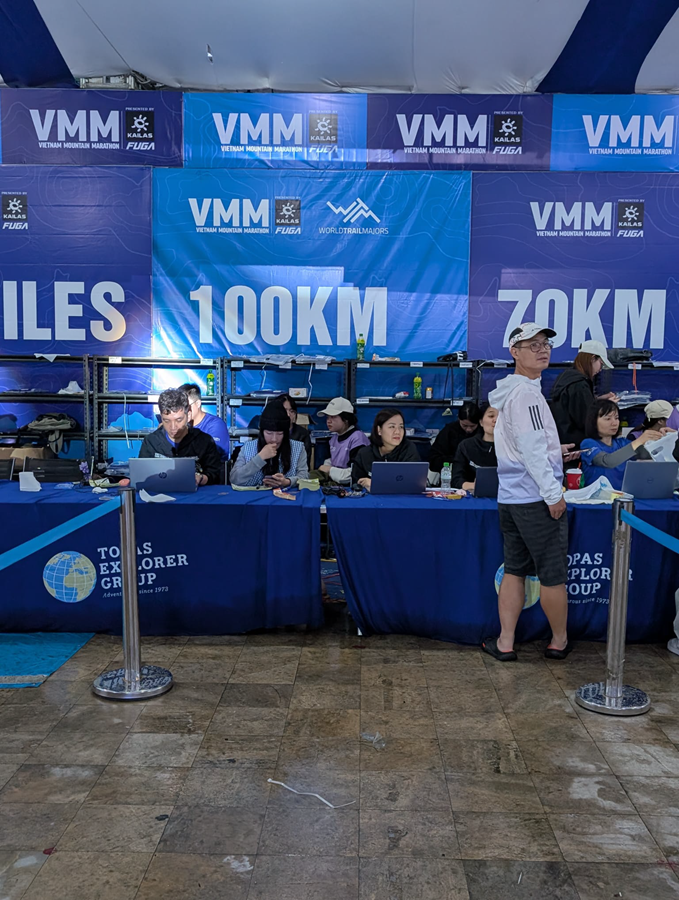
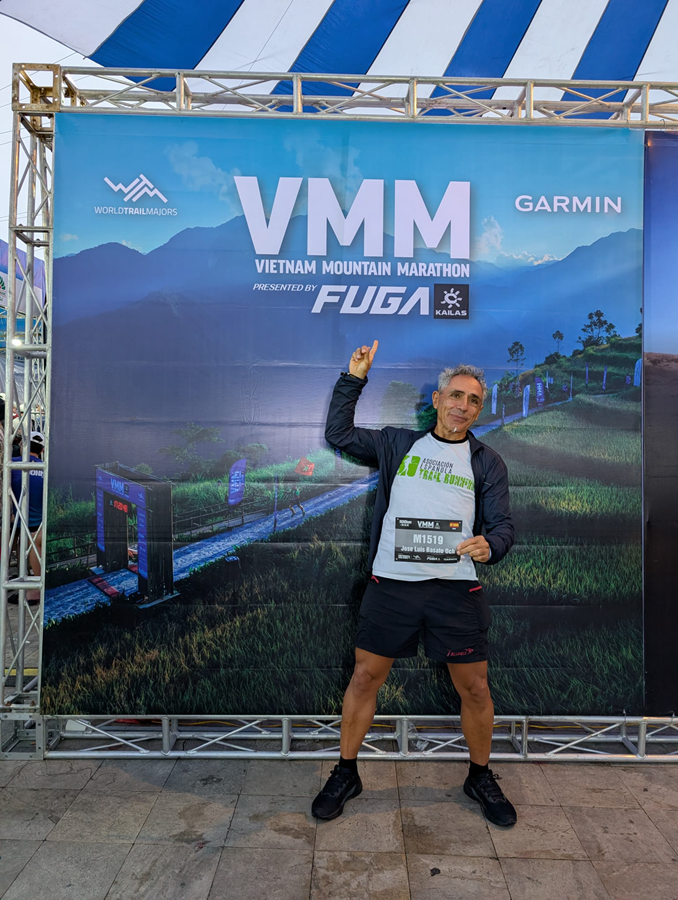
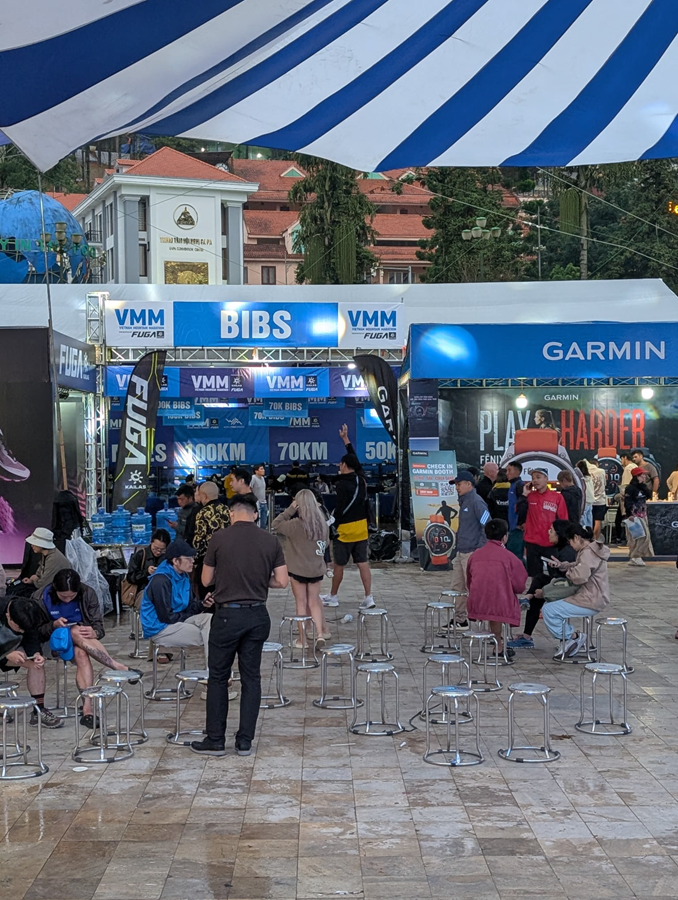
The race expo in Sapa: the last stop before the running begins.
At five in the morning, it all begins
The race starts at five on the dot. It is still dark and, after the usual preparations, we soon leave -Sapa- behind and head into the mountains.
Because of transport and mobility issues, I did not have external support during this race. I missed it at times, so I had to adapt to each aid station and deal with things as they came. The organisers provide plenty of well-planned checkpoints and aid stations, placed to make sure runners have access to food and water. In a race with so much heat and humidity, they are essential for keeping going.
External support is not easy here. The places where friends and family can reach runners are very limited, and getting around this part of Vietnam, with its mountainous terrain and narrow roads, is much more difficult than at many European races.
The first 26 kilometres: mud and plenty of caution
It had rained heavily in the days before the race, so the first kilometres were full of water and mud. In some places it was hard to find firm footing, and moving forward required more concentration than speed.
The first 26 kilometres are demanding. Some runners use poles, although they are no guarantee of stability. The trails are very narrow and test your balance, so you have to adapt to the terrain. The priority here is not to run fast, but to avoid a fall that could make the many hours ahead even harder.
As you try to stay on your feet, you begin to discover one of the race’s greatest attractions: the enviroment.
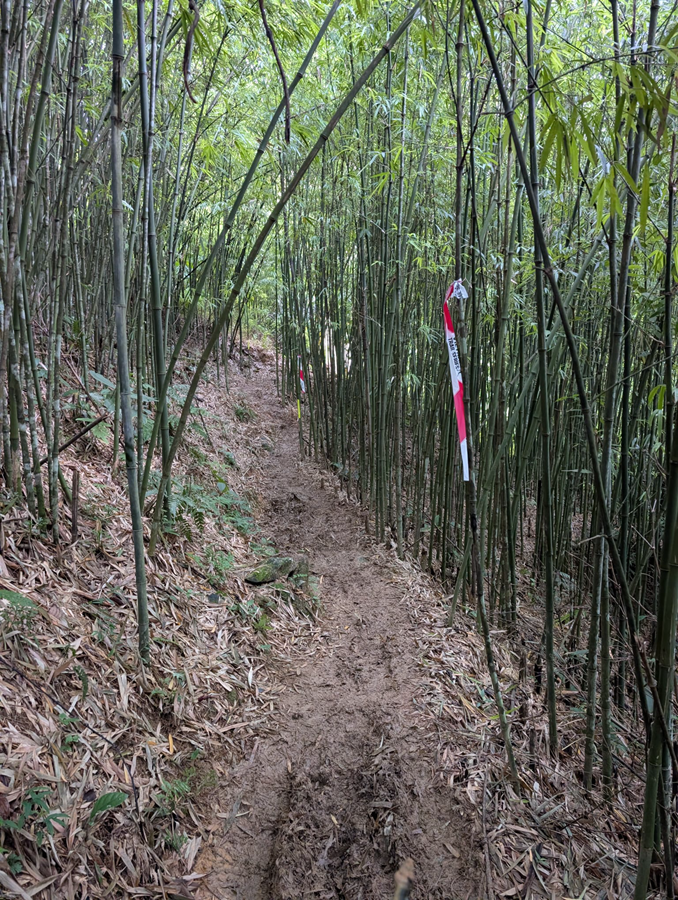
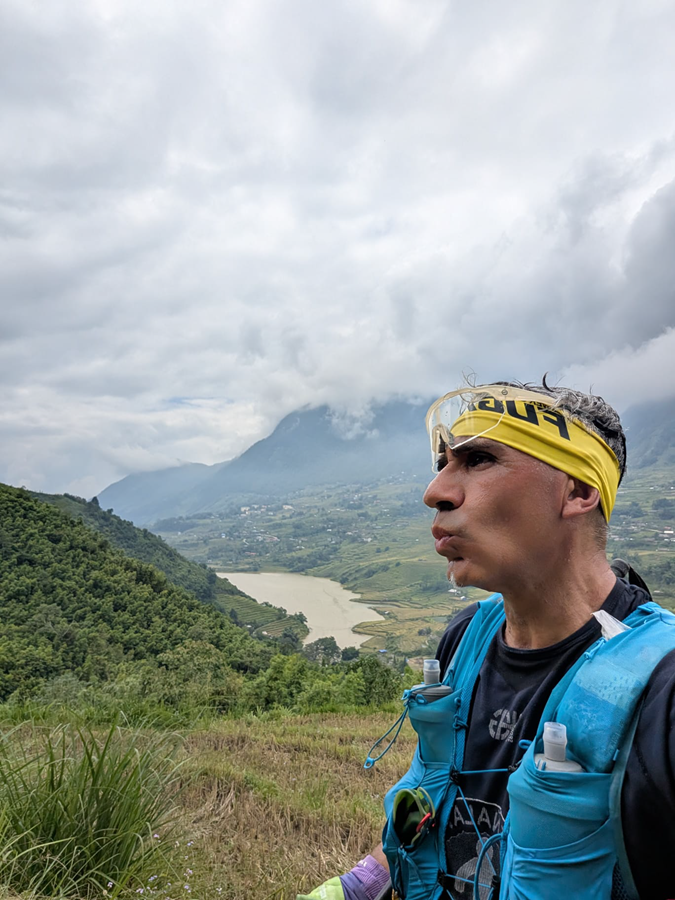
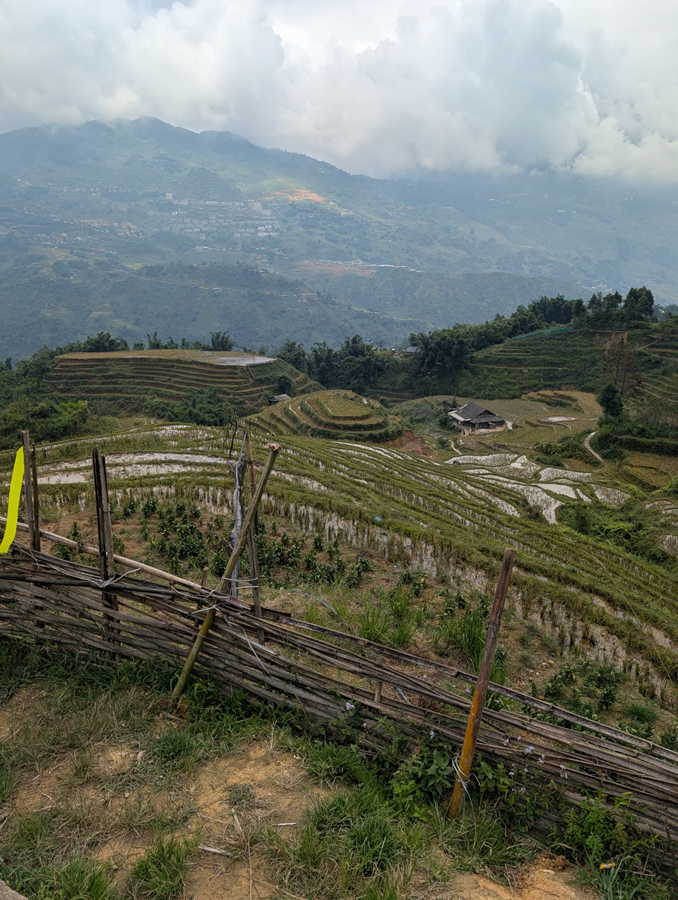
The first kilometres were marked by mud and water.
Rice terraces, bamboo forests and small villages
The VMM passes through rice terraces, bamboo forests, small villages and mountain areas where vegetation seems to cover almost everything.
Sapa is a popular tourist town, but you only have to leave its streets behind to discover spectacular scenery. Running between rice terraces and villages, with mountains all around, is a completely different experience from the races we are used to.
Another surprise is the small stalls along the route. Local families and children sell food and other items to runners, who can buy something if they have a little cash with them. It is an unusual sight and very different from what you see at a European race.
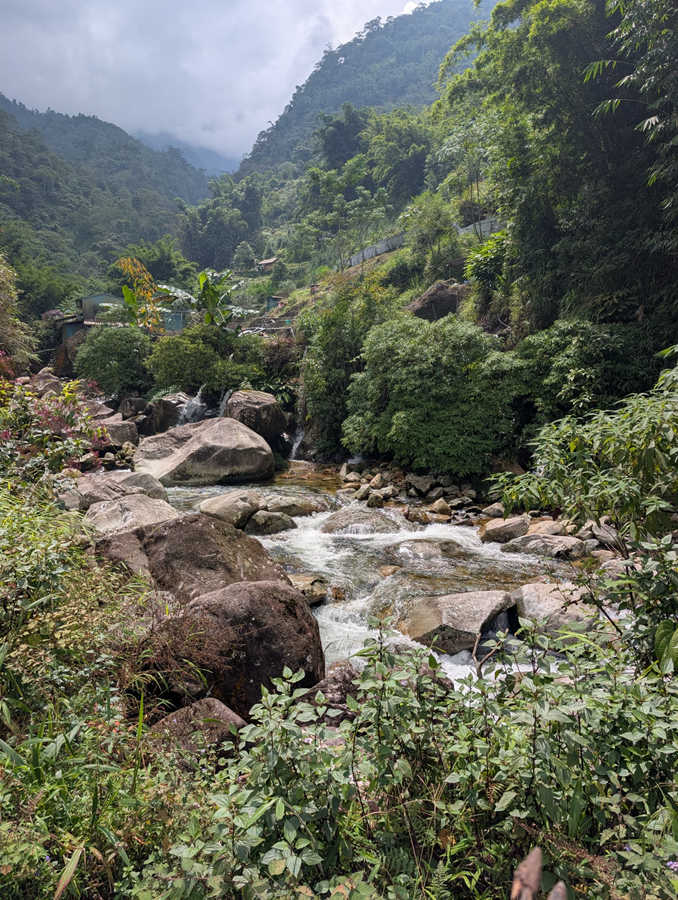
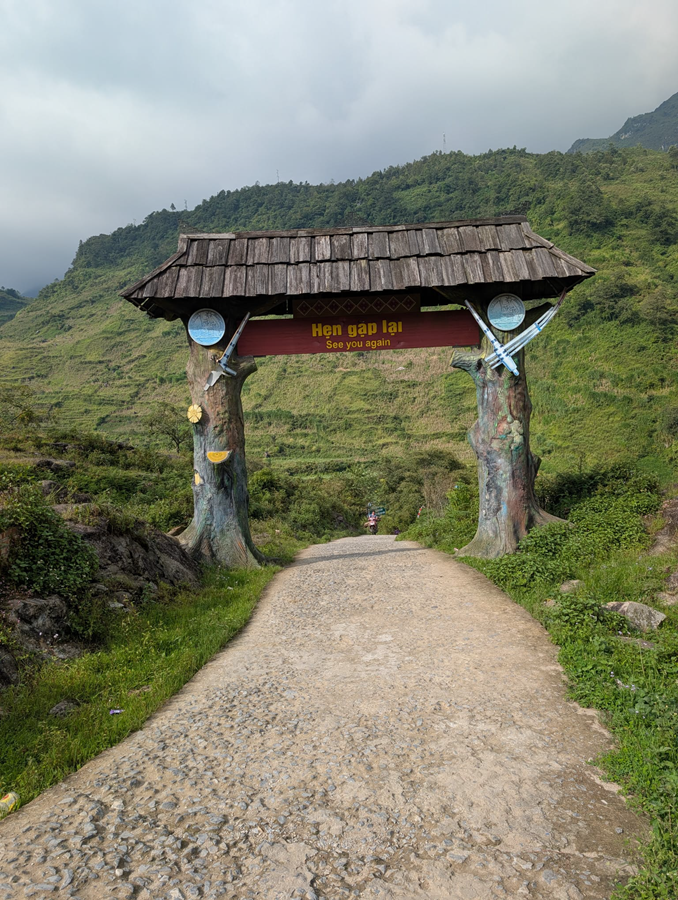
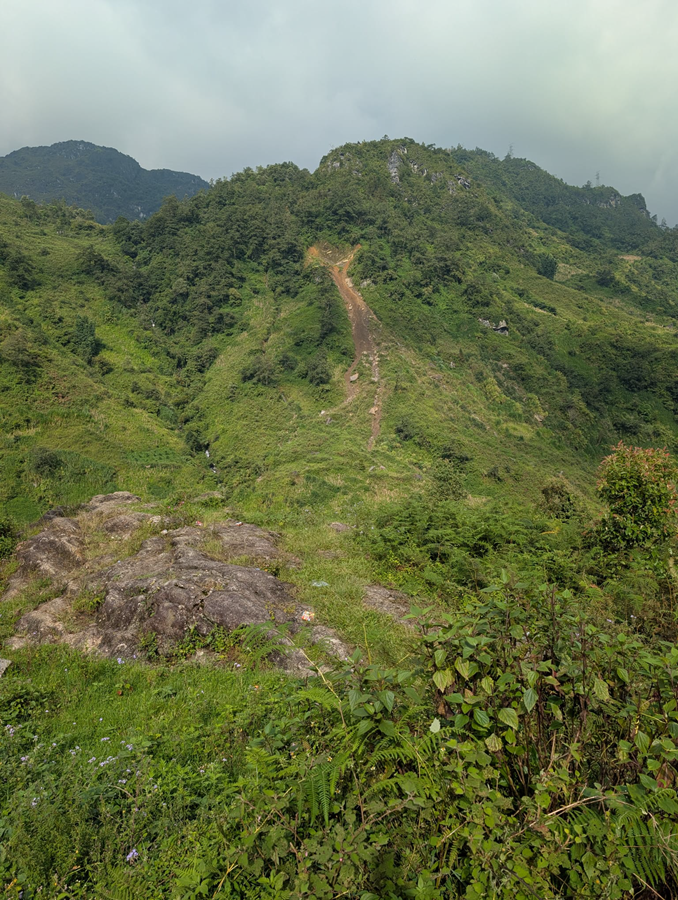
Rice terraces, mountains and villages. The landscape is one of the VMM’s main highlights.
Kilometre 26: stop, eat and keep going
At around kilometre 26, I decide to stop, eat and sit down for a few minutes. There is still a long way to go, so it is time to check how I am feeling before continuing.
In an ultra, there are moments when you simply have to accept that it is time to stop, eat, drink and get moving again. In this case, it was absolutely the right decision.
Then it is back to the mountains.
From 26 to 50K: heat, humidity and vegetation
From here, the route reaches higher ground, with dense vegetation and trails where running is not always easy.
But the heat starts to take its toll, and the humidity even more so. It feels as if you are sweating all the time. You drink, and a short while later you are soaked again.
At times, you start to wonder whether you will really make it to the finish. These thoughts are common when there are still many hours of racing ahead.
Aid stations – Checkpoints : a vital part of the race
As the kilometres add up, the aid stations become important landmarks. Water, fruit, sweets, soup, noodles and rice are among the food and drink available.
At around kilometre 62, I reach one of the stations where I can eat solid food. This worked very well for me and helped me regain enough energy to continue.
The organisation got the key things right, and this was one of the aspects we liked most about the race: clear course marking, well-placed checkpoints and very well-stocked aid stations. These are especially important in the heat and humidity we experienced.
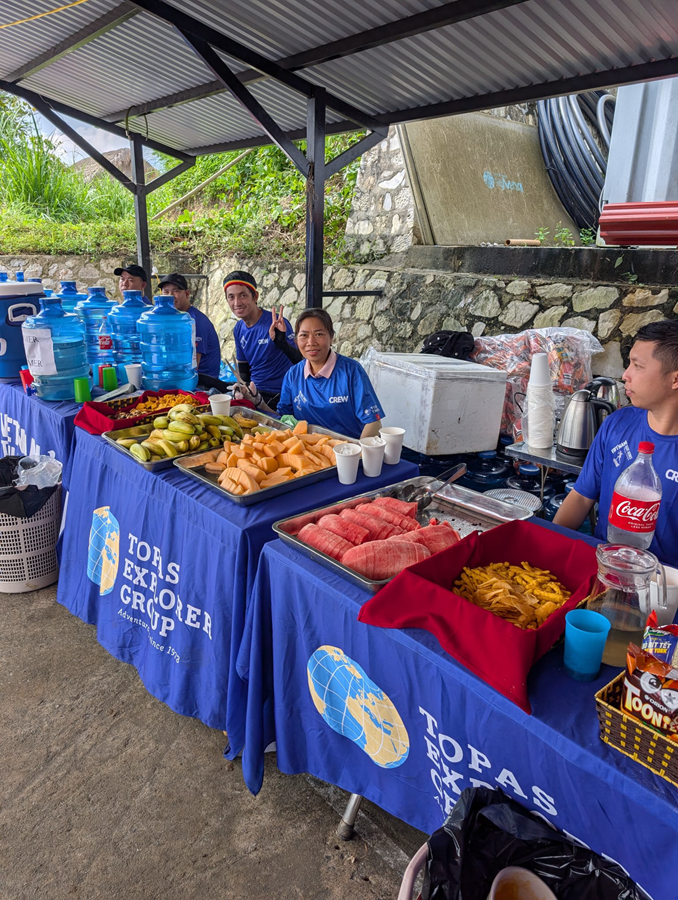
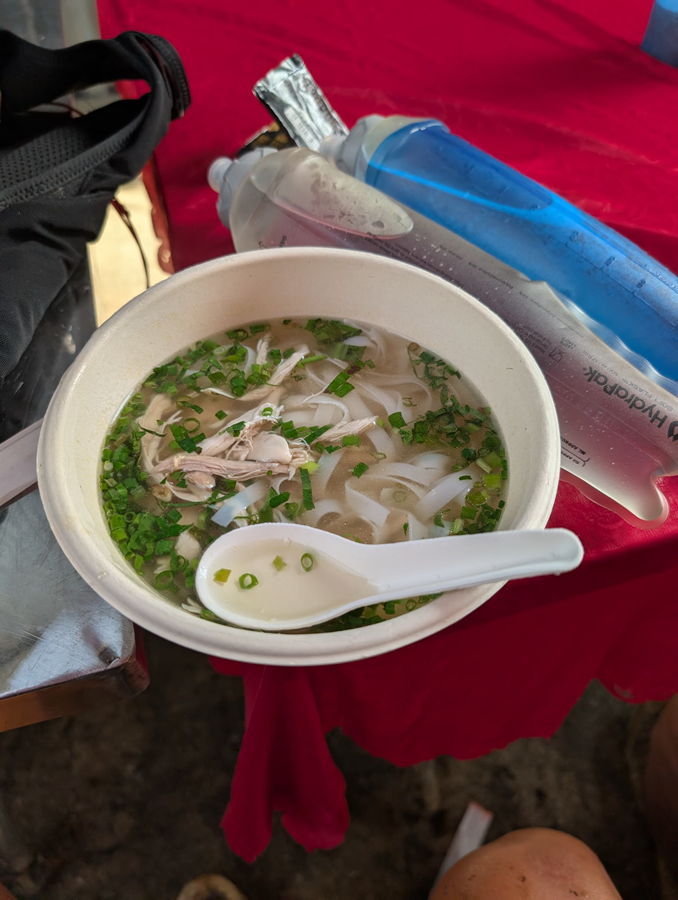
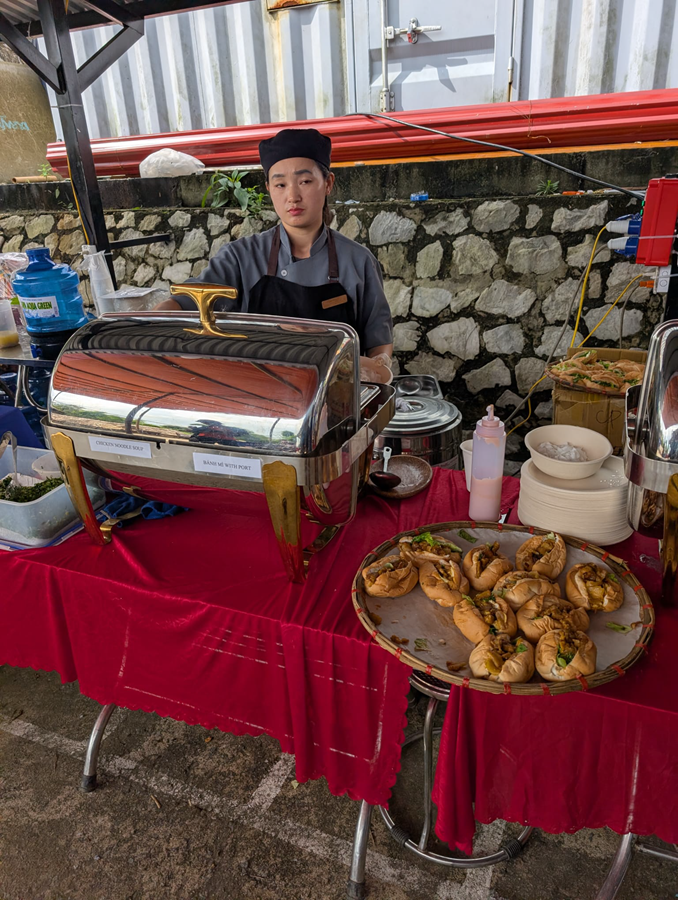
In an ultra, eating and drinking properly are part of the race too.
From 62 to 72K: this is where it gets tough
Between kilometres 62 and 72 comes one of the hardest sections, with a climb of almost 1,000 metres of elevation gain. By this point, your legs have already spent many hours covering kilometres and climbing.
Patience is essential. Walk when you need to, keep drinking and focus on reaching the next checkpoint. When I reach kilometre 72, at around seven in the evening, I think there are about 30 kilometres left and that I might reach the finish in four or five hours.
But there was still a lot of racing left.
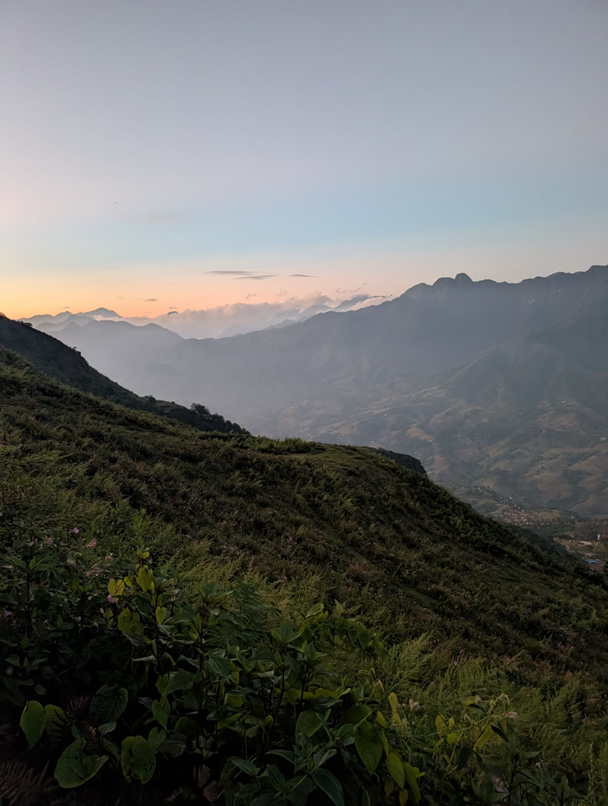
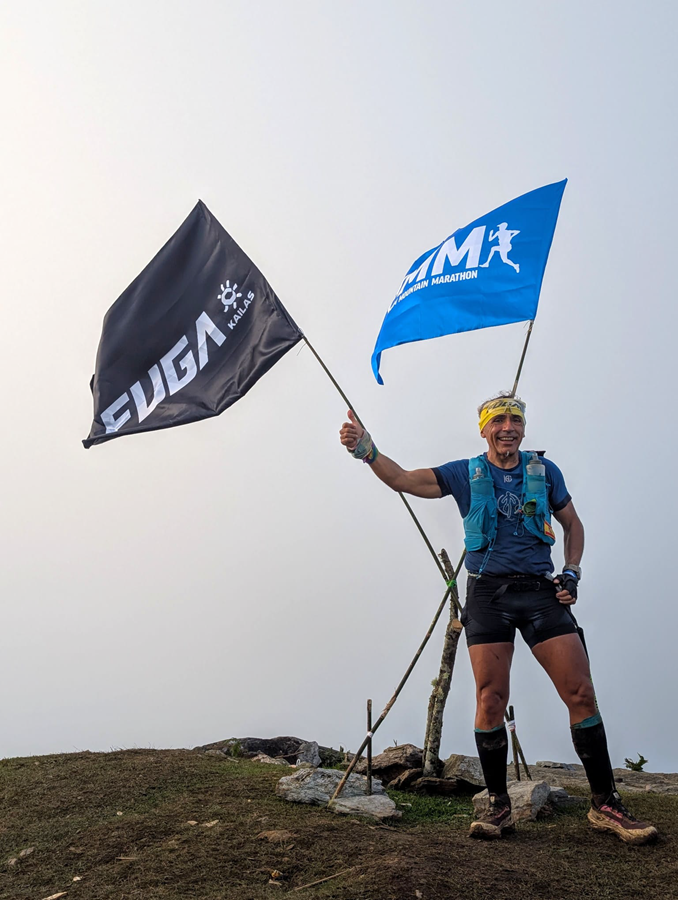
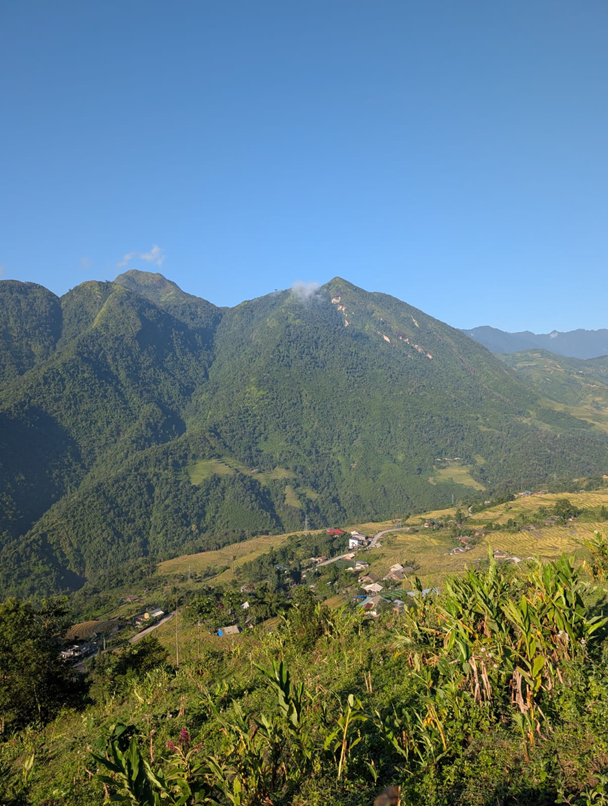
After hours on the course, the mountains remain one of the main highlights.
The final 30 kilometres were no easy ride.
After kilometre 72, it feels like a different race. Fatigue has set in, and the mud returns, along with climbs, descents, steep sections and thick vegetation.
It is no longer about keeping a steady pace. It is simply about moving forward. Sometimes you can run; sometimes you have to walk. Drink, move forward, drink again and keep going.
At around kilometre 97, I reach another water point and think I am almost there and that the job is nearly done. Then I am told there are still another five kilometres to go. Every runner knows that having a kilometre or two taken off the distance is no problem — but adding two or three more can send your mind into a spin.
After 97 kilometres, five more should feel like nothing. At that moment, they feel endless.
The final kilometres follow firm tracks and include some concrete sections that take their toll on already battered legs. Finally, after covering around 103 kilometres in my case, the finish line comes into view.
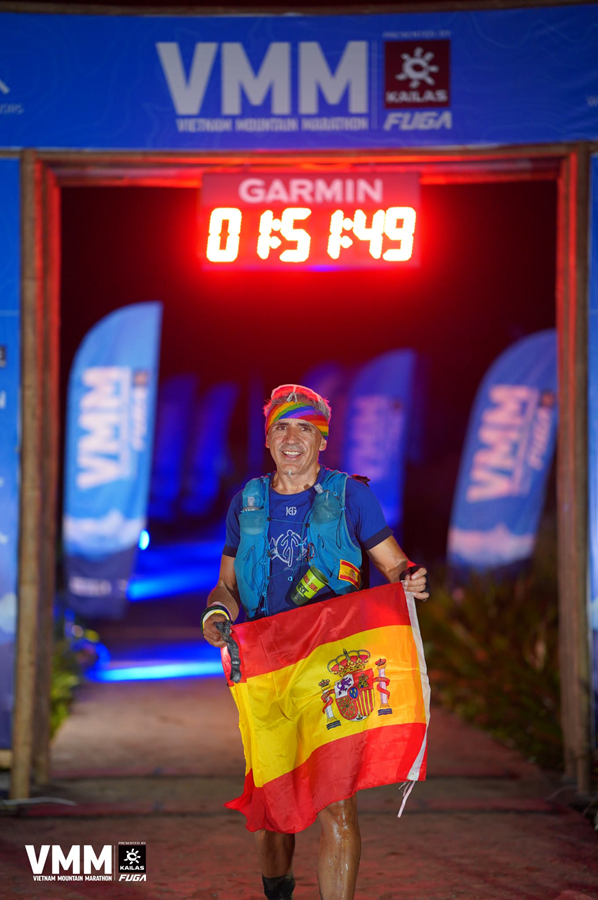
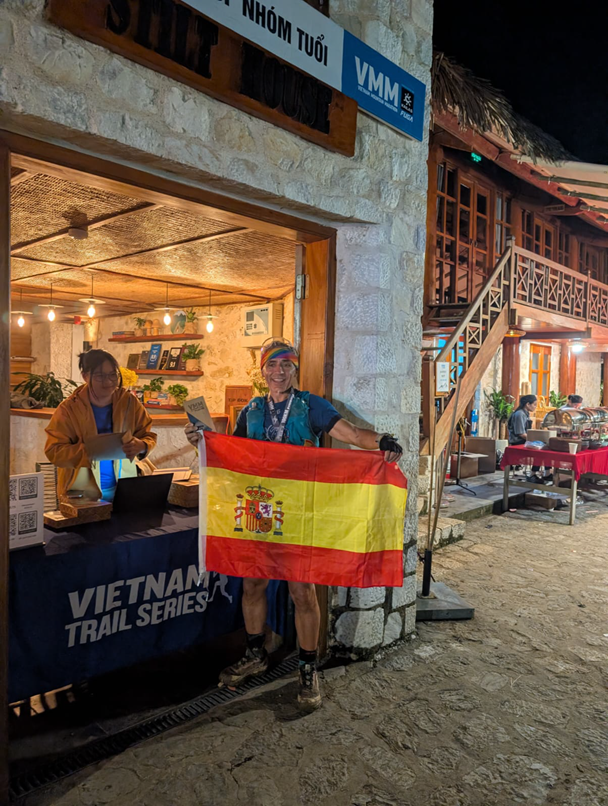
After more than 20 hours, the finish line finally appears.
Topas Ecolodge: a different kind of finish
The finish is at Topas Ecolodge, surrounded by mountains.
This is not the kind of finish line we are used to at many races in Spain. The atmosphere is very quiet, with only a little encouragement from photographers and the runners arriving one by one. Honestly, it feels sad not to have those final metres lined with cheering spectators. After 20 hours out there, you need people shouting and cheering to lift you for the last few steps.
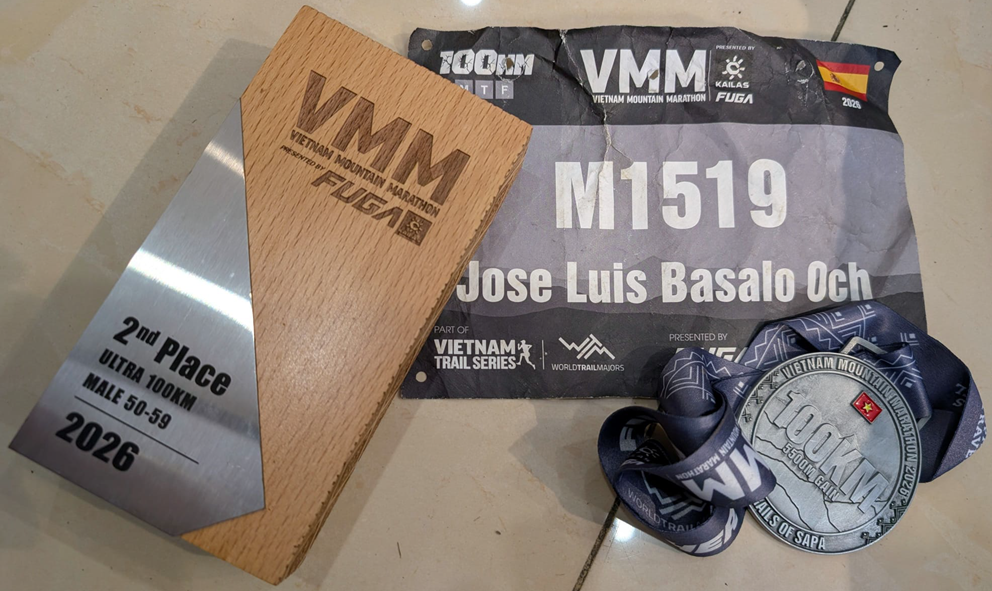
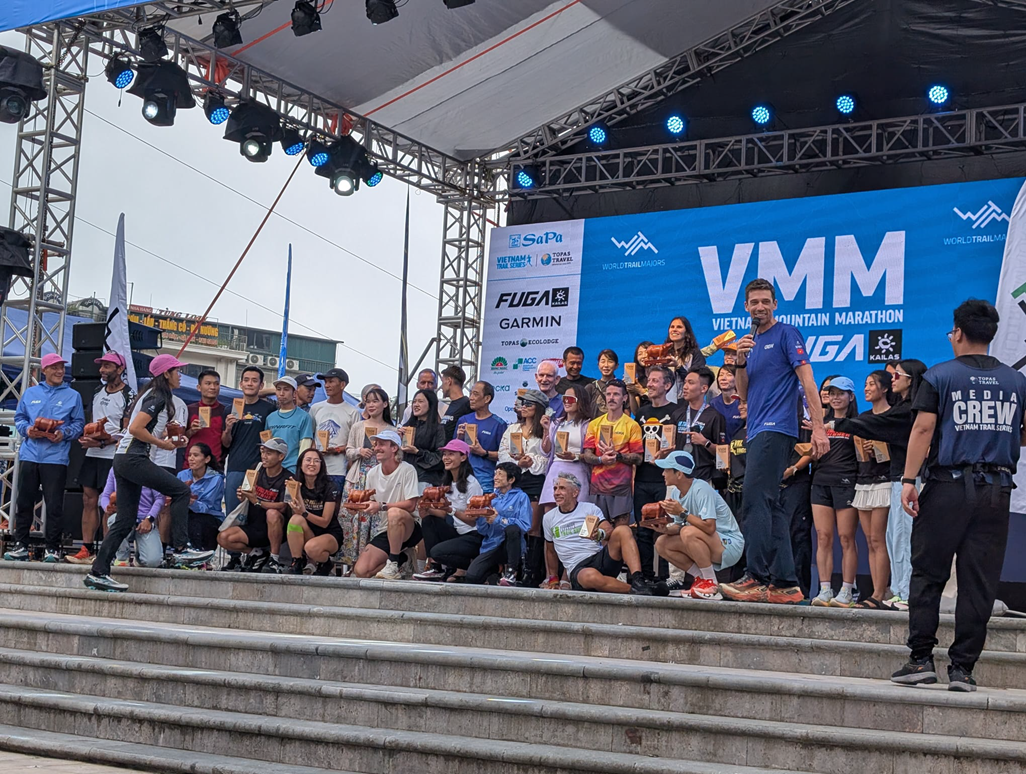
Topas Ecolodge, where the VMM 100K comes to an end.
An organisation that works well
Having experienced the race from the inside, I would especially highlight the course marking and the aid stations. I never felt lost, and the support points were very well planned.
In a race like this, the challenge is not just the 5,500 metres of elevation gain. It is the combination of mud, humidity, heat, vegetation, climbing and many hours on the course.
I wore the FUGA AX 330 shoes during the race as part of FUGA’s sponsorship. This time, however, I would rather keep the focus on the race itself instead of giving a specific review of the footwear.
A landscape we must also look after
One part of the experience left me with mixed feelings. We came across quite a lot of rubbish in some mountain areas and, from what I could see, it was not all recent waste connected with the race.
That is a shame, because the landscape around the VMM is one of its greatest attractions. Running among rice terraces, bamboo forests and villages is an experience worth protecting.
Trail running also comes with a responsibility: to enjoy these paths and make sure that those who come after us can find them in the same condition.
103 kilometres later
The official VMM 100K distance is 101 kilometres, with 5,500 metres of positive elevation gain.
In my case, the race covered approximately 103 kilometres and took 20 hours and 50 minutes. I also finished second in the 50–59 age category, but the sporting result is not what I remember most.
What stays with me are the muddy opening kilometres, the rice terraces, the bamboo forests, the small villages, the heat, the humidity and the aid stations. I also remember the children cheering from their villages as we passed. Their smiles and the chance to high-five them gave us an extra boost. And above all, I remember those final five kilometres which, after covering 97 already, seemed as if they would never end.
The VMM constantly challenges you to adapt to the terrain, the weather and your own fatigue. Perhaps that is one of the most rewarding things about running an ultra on the other side of the world: for hour after hour, you stop thinking about your time and simply focus on moving forward.
103 kilometres later, what remains is the experience of running through the mountains of Sapa.
VMM 100K 2026: race facts
- Date: 19 September 2026
- Start: Sapa Square · 5:00 a.m.
- Official distance: 101 km
- Elevation gain: 5,500 m+
- Finish: Topas Ecolodge
- Category: 50–59 years
- Result: 20 h 50 min · 2nd in category
- Approximate distance covered: 103 km
The Spanish Trail Running Association (www.aetrail.com) would like to thank the organisers for their support, which made it possible for us to be there.


